Source Portable Brushless Nail Dust Collector for Salons
Explore 30 verified options for the portable brushless nail dust collector designed for nail salons, beauty studios, and home use. Compare specifications like power, speed, and certifications to find the right supplier for your business needs; compare the available evidence and request quotations based on your requirements.
Key considerations
Products List


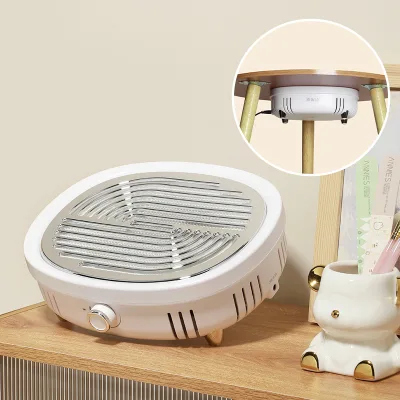


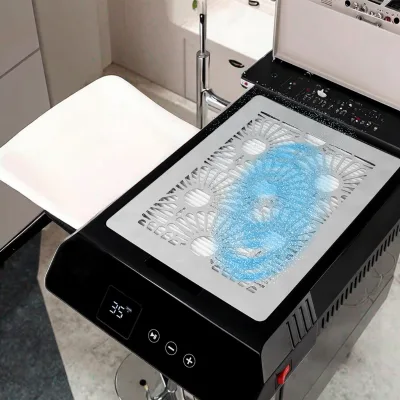


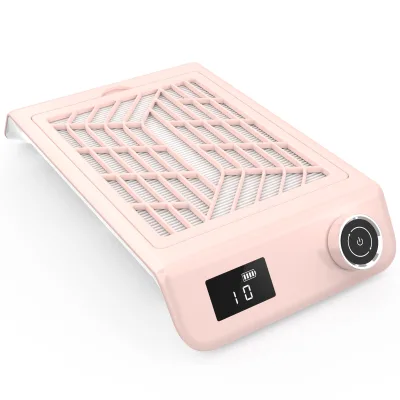
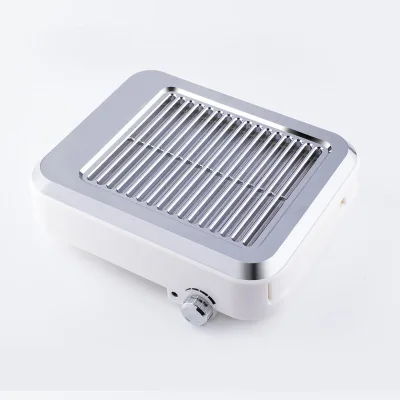


Comprehensive Sourcing Guide
Portable Brushless Nail Dust Collector Sourcing Guide
Sourcing a portable brushless nail dust collector requires balancing suction performance with operational silence, ensuring a professional environment for both technicians and clients. The market offers a variety of models, ranging from compact desktop units to more robust commercial-grade systems, each designed to mitigate airborne particulates generated during filing and shaping. Buyers must prioritize devices that effectively capture fine dust without compromising the ergonomic workflow of the nail salon. Understanding the specific power requirements and physical dimensions is essential for integrating these units into existing station layouts.
The decision to source brushless technology often hinges on longevity and maintenance costs, as these motors typically outperform traditional brushed alternatives. Procurement teams should evaluate the trade-offs between initial unit cost and long-term reliability, particularly for high-volume salons. It is crucial to verify that the selected model aligns with the specific voltage and power supply standards of the target market. Additionally, considering the portability factor ensures that the equipment can be easily moved or stored when not in use, adding value to the salon’s operational flexibility.
Product Scope and Observed Listing Signals
Current market listings indicate a diverse range of portable nail dust collectors, with observed prices spanning from three to seven hundred fifty US dollars. This wide variance suggests significant differences in build quality, motor technology, and included accessories. Buyers should note that minimum order quantities (MOQ) typically range from one to one hundred pieces, allowing for both single-unit trials and bulk procurement. The presence of customized options and OEM acceptance indicates that many suppliers are willing to tailor products for specific brand identities or salon chains.
Observed specifications reveal varying power consumptions, with some units operating at seven watts while others require up to fifty-five watts. This disparity highlights the need for careful verification of energy efficiency and suction power, often measured in RPM or PA. Models are frequently described with features such as high suction and speeds around four thousand RPM, though actual performance can vary. Packaging details also differ, with options including box packages, carton boxes, or individual unit packaging, which impacts shipping costs and storage requirements for the buyer.
Technical Specifications to Verify
When evaluating technical specifications, buyers must scrutinize the motor speed and suction capacity to ensure adequate dust extraction. Observed data points to speeds ranging from three thousand eight hundred to four thousand RPM, with some models citing specific pressure ratings like one thousand two hundred PA. It is critical to verify that the stated suction power correlates with the actual airflow volume, as high RPM does not always guarantee effective particulate capture. Additionally, the power rating, whether seven, thirty-six, forty-eight, or fifty-five watts, should be matched against the salon’s electrical infrastructure to prevent overloads.
Physical dimensions and weight are equally important for portability and desk space management. Listings show single package sizes varying from approximately thirteen by fourteen by four centimeters to larger cartons measuring sixty-six by thirty-six by thirty-two centimeters. The net weight of individual units, such as three point five kilograms, influences ease of movement. Buyers should confirm the material composition, often ABS plastic or other durable polymers, to ensure resistance to wear and chemical exposure from nail products. Verifying the exact model number, such as WL-001 or SN-D1, helps in sourcing compatible replacement parts or filters in the future.
Compliance and Safety Documentation
Compliance with international safety and environmental standards is non-negotiable for professional salon equipment. Many observed listings cite certifications such as CE, FCC, RoHS, and EMC, which are essential for market access in Europe and other regulated regions. Buyers must request valid certification documents directly from the supplier to verify authenticity, as these labels indicate that the product meets specific electromagnetic compatibility and hazardous substance restrictions. The presence of a CE mark, in particular, is often a legal requirement for selling electrical appliances within the European Economic Area.
Warranty terms and after-sales support are critical components of the safety and reliability profile. A standard twelve-month warranty is commonly observed, providing a baseline for manufacturer accountability. Buyers should clarify the scope of this warranty, including coverage for motor failures, power supply issues, and structural defects. Additionally, verifying that the product originates from recognized manufacturing hubs like Ningbo or Guangdong can provide insight into the supply chain’s maturity. Ensuring that all electrical components meet local safety standards prevents liability issues and ensures client safety during salon operations.
Cost Drivers and Commercial Terms
The final cost of a portable nail dust collector is influenced by several commercial factors, including customization, packaging, and order volume. Customized designs and OEM services often incur additional setup fees or higher per-unit costs, which must be factored into the budget. The choice between box packaging and carton packaging affects logistics efficiency and potential damage rates during transit. Buyers should negotiate clear terms regarding who bears the cost of shipping and insurance, especially for international orders where freight charges can significantly impact the landed cost.
Payment terms and lead times are pivotal for cash flow management and inventory planning. While specific lead times are not universally disclosed, buyers should establish clear expectations with suppliers regarding production schedules and delivery windows. The observed MOQ of fifty pieces for some models suggests that smaller orders may come at a premium. It is advisable to request a detailed quotation that breaks down unit costs, tooling fees, and shipping expenses. Understanding these commercial dynamics helps in forecasting total ownership costs and avoiding unexpected financial burdens during the procurement process.
Supplier Qualification and Quality Control
Qualifying suppliers requires a thorough assessment of their manufacturing capabilities and quality assurance processes. Buyers should verify the supplier’s experience in producing nail care equipment and their ability to maintain consistent product standards. Requesting samples is a crucial step to evaluate build quality, noise levels, and suction performance firsthand. Suppliers who accept OEM orders often have more flexible production lines, but this flexibility must not compromise the integrity of the product. Checking for relevant business licenses and export credentials ensures that the supplier is legitimate and capable of fulfilling international orders.
Quality control measures should be explicitly defined in the purchase agreement. Buyers should inquire about incoming material inspections, in-process quality checks, and final random inspections before shipment. Given the electronic nature of these devices, testing for electrical safety and motor durability is essential. Establishing a clear protocol for handling defective units, including return policies and replacement procedures, protects the buyer from financial loss. Building a relationship with a supplier who prioritizes transparency and consistent quality reduces the risk of supply chain disruptions and ensures long-term partnership stability.
Long-Term Procurement Checks
Long-term success in sourcing portable nail dust collectors depends on continuous monitoring of product performance and supplier reliability. Buyers should establish key performance indicators (KPIs) such as defect rates, on-time delivery percentages, and customer feedback from end-users. Regularly reviewing these metrics helps in identifying potential issues early and addressing them with the supplier. Additionally, staying informed about technological advancements in brushless motor technology and filtration systems ensures that the procured products remain competitive in the market.
Sustainability and regulatory changes also play a significant role in long-term procurement strategies. Buyers should assess the environmental impact of the product’s materials and packaging, aligning with global trends toward eco-friendly practices. Keeping abreast of evolving certification requirements in target markets prevents compliance issues that could halt sales. Finally, maintaining open communication with suppliers regarding future product developments and potential price adjustments allows for proactive planning. This strategic approach ensures that the procurement function remains agile and responsive to market dynamics.
FAQs
How does a portable brushless nail dust collector work for salon use?
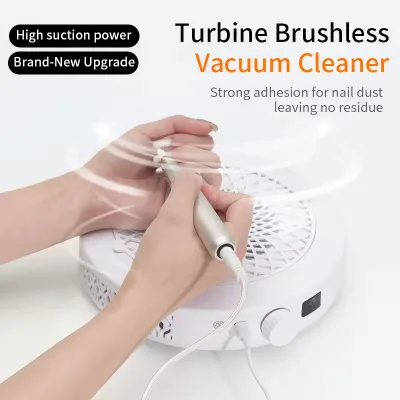
A portable brushless nail dust collector uses a brushless motor fan to pull filing dust through a filter as the client's nails are shaped. The unit sits on the desktop with the hand resting over the intake area, so dust is captured at the source. Filters should be cleaned or replaced regularly to maintain consistent suction during commercial salon use.
What power ratings are common for portable brushless nail dust collectors?
Listed models in this category range from low-power 7W desktop units to stronger 36W, 48W, and 55W machines, so you can match suction strength to your salon volume. Higher wattage generally supports stronger airflow for busy technicians. Confirm the exact wattage, fan speed, and noise level with each supplier before ordering, since specifications vary between models.
Which certifications should a nail dust collector have for commercial use?
CE certification is the most commonly listed mark in this category, and several models also list FCC, RoHS, and EMC compliance. For commercial salon equipment, ask suppliers to provide valid certificate copies matching the exact model number rather than general documents. Requirements differ by destination market, so verify which marks your import region actually requires before placing a bulk order.
Can suppliers provide customization such as colors or branding?
Yes, customization is available in this category. Suppliers list options such as two-color choices, white and pink variants, and silver or rose red finishes, and many accept OEM branding with custom packaging like box or carton packing. Minimum order quantities for customized runs are typically higher, so confirm color availability, logo printing methods, and packing requirements directly with each manufacturer.
What is the typical minimum order quantity for these dust collectors?
Minimum order quantities vary widely across listings, from single-piece trial orders up to runs of 100 pieces, with 50pcs a commonly stated MOQ for standard models. Small salons can start with low-MOQ listings to test quality, while distributors ordering customized units should expect higher quantities. Always confirm the MOQ for your specific model and customization level before requesting a quotation.
How are portable nail dust collectors usually packed for shipping?
Common packing options include individual box packages, 1PC per box, and carton boxes for bulk shipments. Listed dimensions for single packages include sizes around 35X30X20 cm and 66X36X32 cm, with single gross weights near 3.5 kg for some models. Confirm outer carton quantities, gross and net weights, and whether retail-ready boxes are included when comparing supplier quotations.
Can I get a warranty when sourcing nail dust collectors from manufacturers?
Yes, a 12-month warranty is listed for products in this category, which is a reasonable baseline for salon electrical equipment. When comparing suppliers, confirm in writing what the warranty covers, such as motor or electrical defects, and whether spare parts or replacement filters are provided. Keep warranty terms documented in your purchase contract before confirming production.